443 New Websites Missed Google
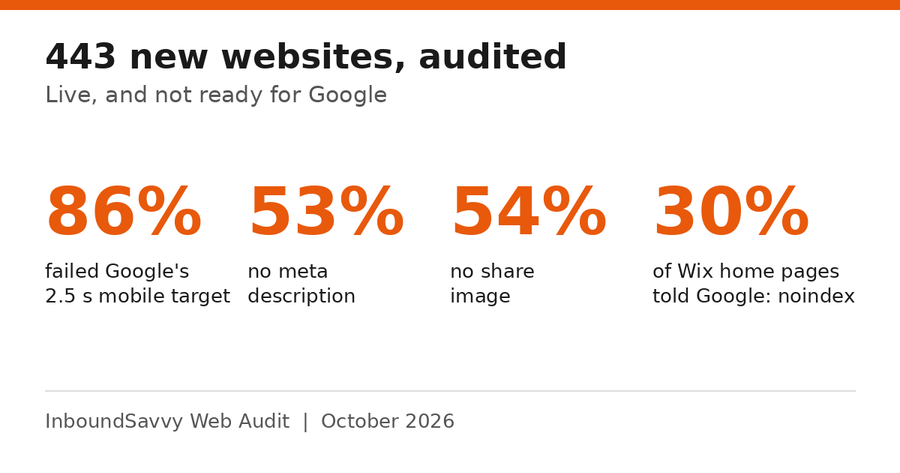
We audited 443 new websites with InboundSavvy Web Audit. 86% failed Google's 2.5 s mobile target, and more than half had no meta description or share image.
New websites rarely look broken. The logo loads and the menu works. The problem is whether Google and visitors get what they need.
We audited 443 new websites with InboundSavvy Web Audit:
- 86% failed Google's 2.5-second mobile target for showing the main content.
- 53% had no meta description.
- 54% had no share image.
- 30% of Wix home pages carried a noindex directive, which tells Google to leave the page out.
A website builder can create the technical foundation. It cannot know what a business does, who it serves, or which image represents its work. The foundation should be automatic. The business information should be the few questions the owner is asked to answer.
What We Checked
1. We took 31,467 domains from a pool collected in the first 18 days of October 2026. Of those, 7,705 had a working website. The rest were inactive, parked, or redirected elsewhere.
2. We identified the platform from each site's code where possible. It was clear for 35% of sites: WordPress, Wix, Shopify, Squarespace, Next.js or Astro, AI builders such as Lovable and Base44, and other builders.
3. We audited the home page of up to about 80 sites per platform group: 443 sites in total. Google PageSpeed Insights supplied the mobile speed.
4. The overall figures are weighted by each platform's share of identifiable new sites. WordPress is 35%. Squarespace is 2%.
The study does not cover the 65% of live sites whose platform we could not identify. The speed figures come from Google's simulated mobile test, not from real visitors, because new sites rarely have enough of those. AI-builder results are indicative (25 sites).
Can Google Find It?
A sitemap gives Google another route to the pages of a new site with few links. About one in five new sites had no robots.txt file, and a similar share had no sitemap.
A noindex directive asks Google to exclude a page. Thirty percent of Wix home pages in our sample carried one. Wix lists several ways this can happen: a site-wide indexing setting, a page setting, or a page-type rule. Without dashboard access we cannot say which one applied to each site.
Tells Google not to index, no robots.txt, no sitemap:
- Wix (81 sites): 30%, 1%, 36%
- WordPress (69): 10%, 22%, 13%
- Next.js and Astro (73): 5%, 38%, 38%
- Other builders (72): 3%, 19%, 18%
- AI builders (25): 4%, 48%, 32%
- Shopify (76): 0%, 4%, 4%
- Squarespace (47): 0%, 2%, 0%
- All new sites, weighted (443): 8%, 22%, 21%
Shopify and Squarespace usually create these files automatically. Developer frameworks and many AI-builder sites ship without them.
Google discovery is not SEO magic. It is a plumbing check.
Will Anyone Click?
Getting listed is not the same as getting clicked. Without a meta description, Google builds the snippet from the page content, and the result may be less useful than one sentence written for the page. Without a share image, a link in LinkedIn, Facebook, or WhatsApp may look unrecognisable or use the wrong picture.
No meta description, no share image, no structured data:
- Shopify (76 sites): 86%, 66%, 21%
- Squarespace (47): 70%, 38%, 0%
- Wix (81): 62%, 73%, 4%
- WordPress (69): 55%, 54%, 35%
- Other builders (72): 47%, 44%, 49%
- AI builders (25): 40%, 12%, 40%
- Next.js and Astro (73): 27%, 45%, 52%
- All new sites, weighted (443): 53%, 54%, 35%
Here the pattern reverses. Shopify had the fewest missing technical files and the most missing meta descriptions. Platforms can set defaults. Only the owner can say what the business does and which image shows it.
Is It Fast Enough?
86% of new sites failed Google's 2.5-second target for showing the largest visible element on a mobile page. Only 14% reached it. Across 437 successful simulated mobile tests, the median was 5.7 seconds.
Google uses page experience as one of many ranking signals. More directly, a slow page delays the answer a visitor came for. A 2017 Google/SOASTA study reported that 53% of mobile visits were abandoned when a page took more than three seconds to load.
Median time to show the main content, simulated mobile load:
- Squarespace: 12.1 s
- Other builders: 6.3 s
- Wix: 6.2 s
- Shopify: 5.55 s
- AI builders: 5.3 s
- WordPress: 4.7 s
- Next.js and Astro: 3.4 s
- Google's good target: 2.5 s
Page weight points the same way: the three heaviest hosted platforms had median home pages of about 2.4 to 2.9 MB, against about 0.7 MB for Next.js and Astro. Layout stability was fine: 94% passed Google's test for content jumping around while the page loads.
Nobody cares about an optimized page. They care about seeing the page.
Is the Connection Safe?
HTTPS was nearly universal. Two security headers were not. HSTS helps browsers keep using HTTPS, and a Content Security Policy (CSP) restricts which resources a page may load. Only 54% of new sites sent HSTS and only 35% sent a CSP.
No HSTS, no CSP:
- WordPress (69 sites): 84%, 77%
- Next.js and Astro (73): 48%, 81%
- Other builders (72): 25%, 53%
- Squarespace (47): 13%, 100%
- Wix (81): 10%, 100%
- AI builders (25): 4%, 100%
- Shopify (76): 1%, 1%
- All new sites, weighted (443): 46%, 65%
The platform, the host, or a proxy usually controls these headers, not the page content. Wix and Squarespace sent no CSP on any sampled site. On WordPress the result varied with the hosting.
The Launch Checklist
The 443 sites reduce to one rule: make the technical defaults automatic, and ask the owner only for what nobody else can know.
Share of new sites missing it, and what a good launch process does:
- Page open to Google, no noindex: 8% (Wix 30%). Prevents accidental hiding from search.
- robots.txt pointing to the sitemap: 22%. Created on every publish.
- XML sitemap with the home page: 21%. Built from the site's pages, posts, and products.
- HTTPS on the home page: 0.5%. Served over HTTPS.
- HSTS header: 46%. On by default.
- Content Security Policy: 65%. A safe default the platform maintains.
- Structured data, where the content is eligible: 35%. Used where it applies.
- Mobile viewport: 5%. Included by default.
- Meta description: 53%. The owner is asked once, with page overrides where needed.
- Fast first load: 86% slower than 2.5 seconds. Static delivery, sized images, modern formats.
The owner still has work to do: what the business does, who it serves, and which image represents it. A website should ask for that in plain words. It should not ask them to know what robots.txt, HSTS, JSON-LD, or noindex mean.
Check Your Own Site
The free InboundSavvy Web Audit checks a public page for SEO, accessibility, performance, security, structure, best practices, and mobile problems. A free account also checks associated files such as robots.txt and sitemap.xml.
By hand, the same questions:
1. Search Google for site:yourdomain.com. If nothing appears after a few weeks, check the site's indexing settings and use Google Search Console's URL Inspection on the home page.
2. Open yourdomain.com/robots.txt and confirm it names the sitemap. Open yourdomain.com/sitemap.xml and confirm the home page is in it.
3. Read the meta description in the home-page source. It should say what you do and for whom, not hold a placeholder.
4. Set a share image, paste the link into a LinkedIn post draft, and check the title, description, and image.
5. Run the home page through Google PageSpeed Insights on mobile. Note the LCP and the page weight.
6. Check the HSTS and CSP headers with a header checker. The browser lock icon does not answer this.
By Jesper Jurcenoks
More from the blog
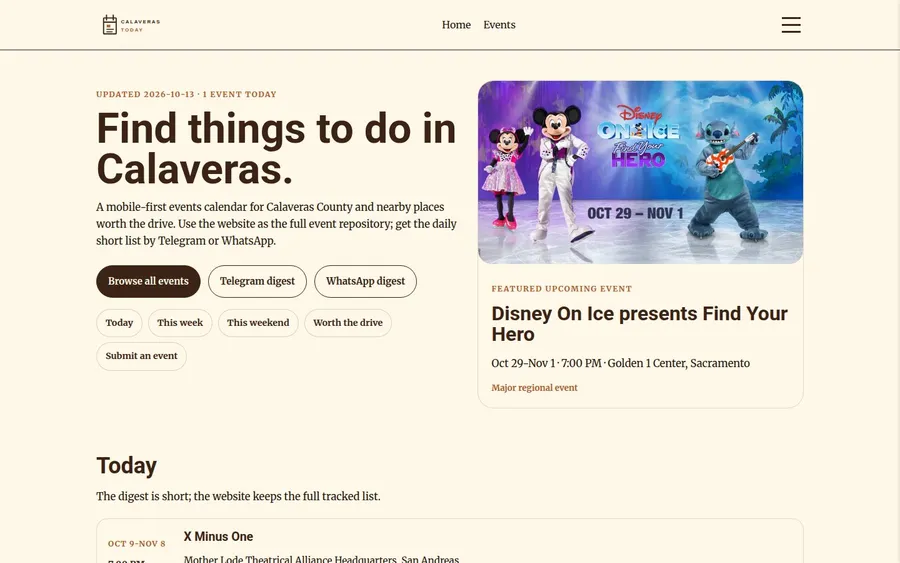
How I Built a Local Events Website With Hermes and Free AI Design
Building calaverastoday.com: free AI design sketches from Replit, a Hermes agent connected to InboundSavvy over MCP, and a site that updates itself every morning.
2026-10-12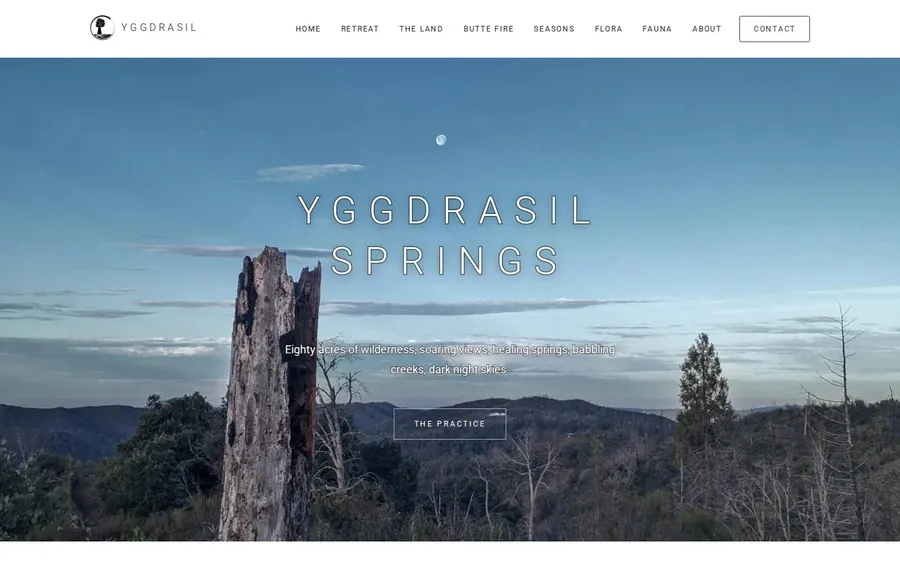
How We Built a Retreat Website From a Figma Design With Claude
A step-by-step guide to building yggdrasilsprings.church: a designer's Figma layouts, Claude connected to InboundSavvy over MCP, and plain directions from the owner.
2026-09-28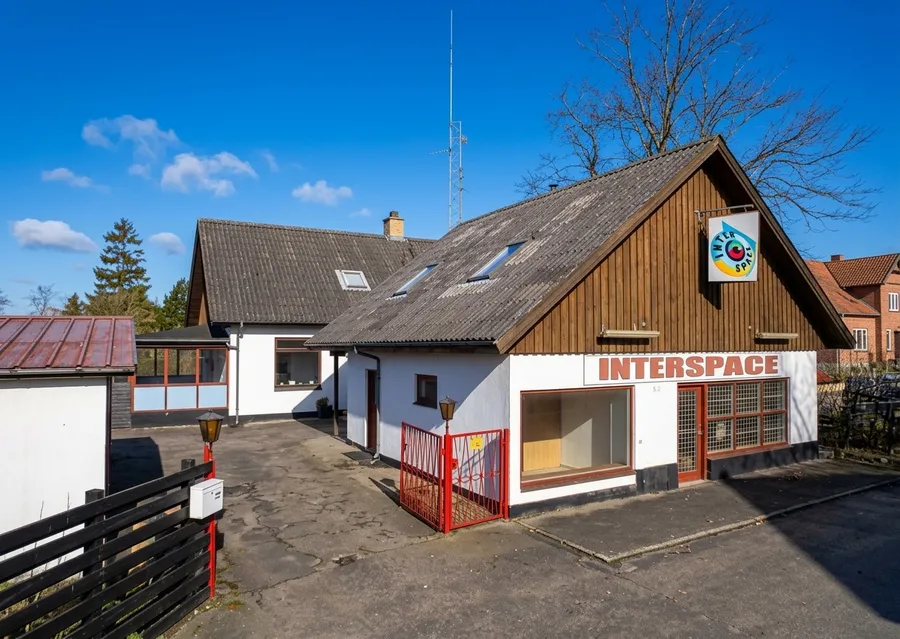
Selling websites like it's 1995
Bill locally, support locally, buy the servers wholesale. The business I ran in Denmark in 1995, and the partner program we are building on it.
2026-09-27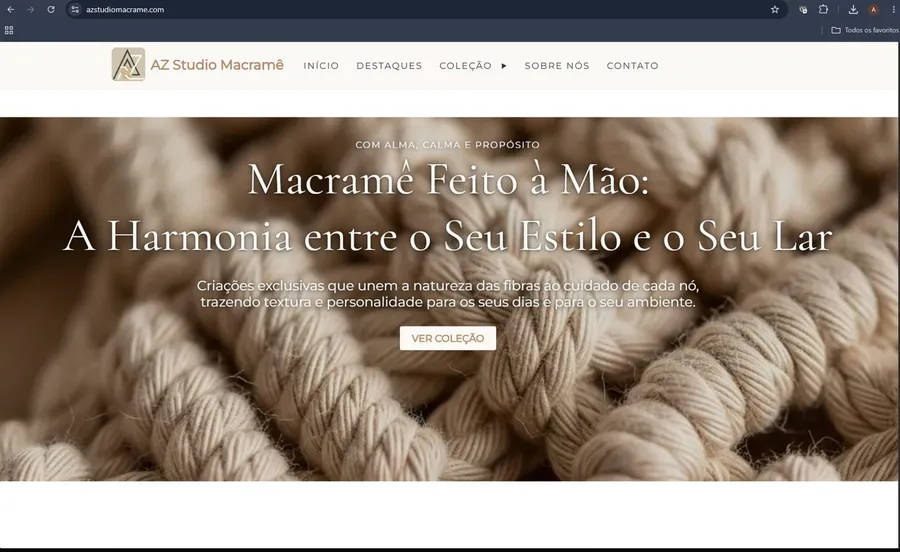
InboundSavvy + AI: How I Built a Real Business Website Without Being a Designer
A step-by-step case study of building azstudiomacrame.com — from AI-generated design brief to live InboundSavvy website. No design degree required.
2026-05-21
Democratizing Online Presence
Making an optimized, converting internet presence available to everyone - even the poorest entrepreneur.
2026-05-20